Co-Founder (Creator Engagement & Product), Packagd, 2017–2019 · Acquired by Meta
Packagd started with a real thesis: YouTube influencers were producing enormous amounts of high-quality content — unboxing videos, tech reviews, beauty tutorials — and almost none of it was being leveraged past the initial upload. The value was sitting on the table. We were going to help creators pick it up.
Situation
Our first product, an app called Unboxed, let creators build custom playlists of their existing content to drive new audience interactions. The second iteration crawled their video catalogs and dynamically surfaced product links into a profile they could own. Both products had logic. Neither had traction.
The honest diagnosis: I was the one bringing creators in. I was the one keeping them there. When I stopped pushing, the platform sat idle. We had built something creators didn't know they needed and hadn't asked for.
Decision
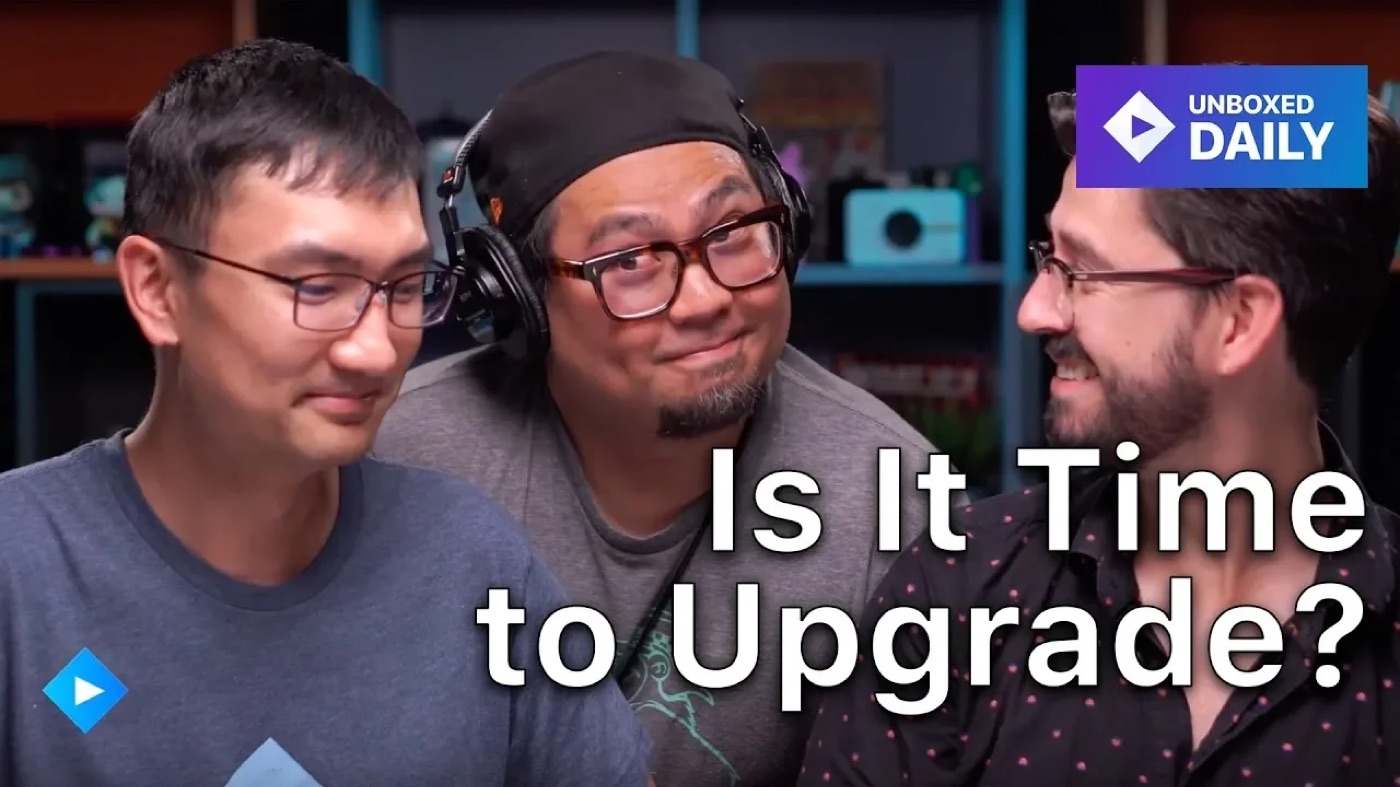
Rather than defend the product, we decided to go learn. I took on two responsibilities in parallel: build direct partnerships with influencers to understand their actual problems, and launch a daily YouTube show called Unboxed Daily to embed ourselves inside creator culture. Every episode pulled clips from three to five creators reviewing the same product — a new drone, a new smartphone — and used that format to generate real conversations with the people we were supposedly building for.
The show was promotional, but its real function was research. It gave us a reason to talk to creators every single day and build problem-solution theories from what we actually observed, not what we assumed. Unboxed Daily is still live at youtube.com/unboxeddottv.
What Shipped
Unboxed Daily ran as a daily production. Simultaneously, I was onboarding and working alongside influencers directly — learning how they thought about their audience, their revenue, their relationship to platforms. That combination of content production and creator partnership became the core of how we operated as a team.
What it produced wasn't a product. It produced a team that could move fast, prototype quickly, and translate ambiguous challenges into working demos. When Eric Feng — our lead co-founder and former CTO at Hulu — was in conversation with Facebook leadership, they would come back with prototype challenges: build an example of a daily live show linking creators to their Facebook channels in two days. We built it. They asked for another. We built that too.
Result
In 2019, five of us were acquired by Meta to form an innovation team inside the commerce and marketplace organization. The product didn't sell the deal. The team did.
At Meta, we built and launched Facebook Live Shopping — the platform's core tool for linking live streams directly to a transactable product catalog. Early in the pandemic, we built a rapid-response gift certificate program enabling local restaurants and small businesses to sell support credits online, which launched in days. Later, on the new product experimentations team, we built Super, a live-stream app for creator-fan interaction with built-in monetization. Through a partnership with VidCon, Super powered and programmed their weekly creator interviews throughout the pandemic — I hosted more than 50 of those conversations.
What I'd Teach
Most startup failures fall into one of two traps: building a solution and trying to back it into a problem, or getting so attached to a specific problem that you ignore what the market is telling you.
We nearly did both. What saved us was a willingness to stop defending the product and go get concrete. Produce the show. Talk to the creators. Let the understanding of the problem come first and let the product be the output of that understanding, not the other way around.
The ability to move fast matters. But moving fast in the wrong direction is expensive. What the Meta acquisition actually rewarded was a team that had trained itself — through daily content production, through creator partnerships, through rapid prototyping under pressure — to learn quickly and build what the problem actually required.
Format is a strategy. So is learning.
Bring this story to your audience
This case study informs how Jason talks about product strategy, media, and building under uncertainty on stage.
Why Some Creators Break Through and Most Don't →Facing a similar product or leadership decision? Explore advisory →